


This project is no longer listed on FindAPhD.com and may not be available.
Click here to search FindAPhD.com for PhD studentship opportunitiesRole of integrins and endocytic trafficking in determining cell fate decisions in embryonic stem cells
Dr Patrick Caswell, Prof Sue Kimber
Applications accepted all year round
Self-Funded PhD Students Only

About the Project
Human embryonic stem (hES) cells have the capacity to from all tissues within the body, and therefore have huge potential as therapeutic agents in tissue regeneration. Signals from the microenvironment surrounding the stem cell regulate the decision to maintain self-renewal, or differentiate. Adhesion to the extracellular matrix (ECM), mediated through integrins, is one important factor within the niche that influences the pluripotency of hES and induced pluripotent stem (iPS) cells, however the mechanisms through which signals from the ECM and other cues are integrated to determine cell fate are not known.
Integrins act as receptors for the ECM, providing a mechanical link between the cells exterior and interior. However, integrins also play an important role in the coordination of signalling pathways downstream of growth-factor and cytokine receptors with cues from the ECM. Trafficking of integrins through the endocytic system is now recognised as an important regulator of integrin function. Indeed, endocytosis and recycling of integrins controls the trafficking of co-cargoes, including signalling receptors, and can therefore directly influence cell signalling. Whilst much progress has been made in understanding the role of integrin trafficking in pathological contexts such as cancer cell migration and invasion, very little is known of the function of integrin trafficking in normal physiology.
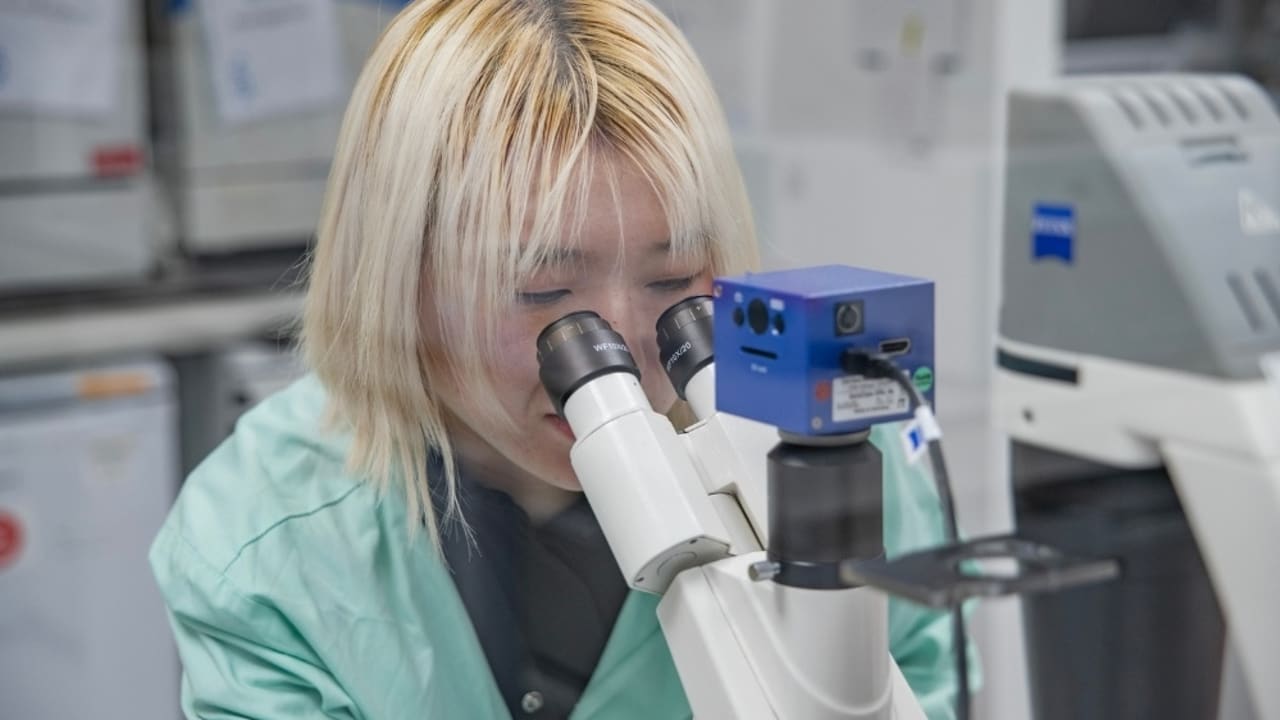
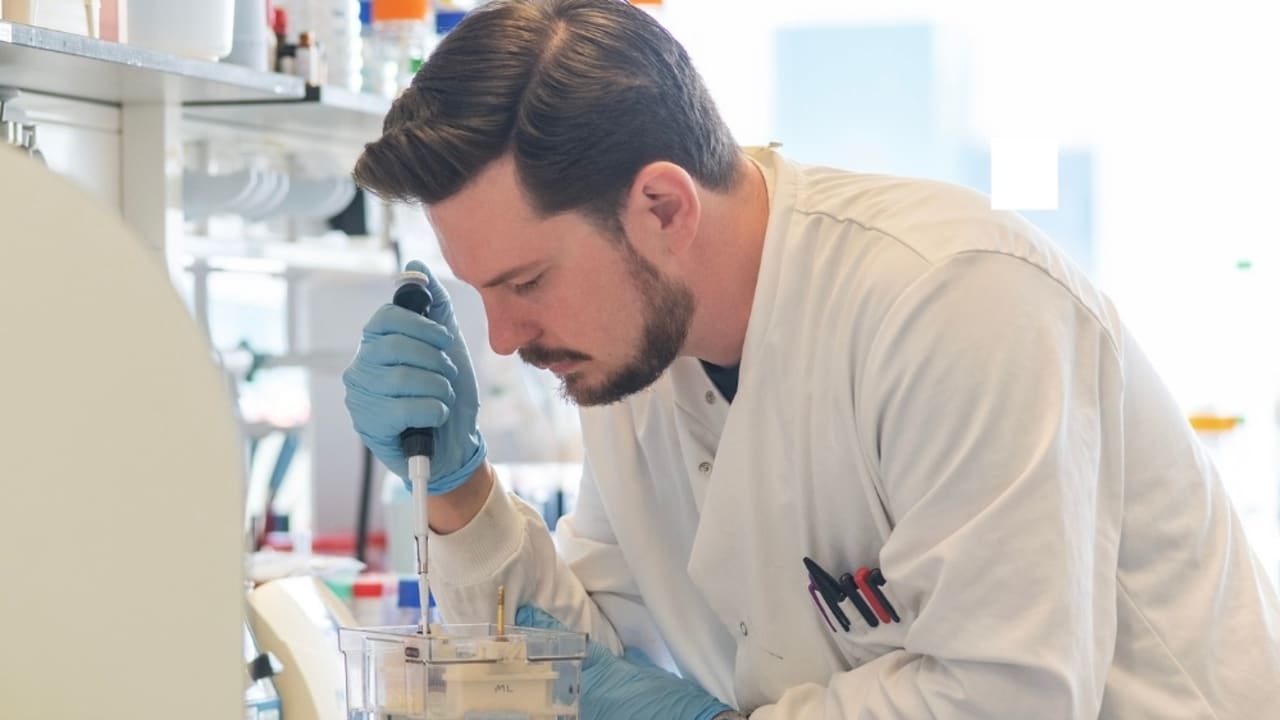
This project will focus on the role of endocytic trafficking in the decision of stem cells to maintain self-renewal or differentiate, in particular how the trafficking of integrins, and associated cargoes, regulates the signals that determine cell fate. Techniques will include hESc and iPS cell culture, live cell imaging and other cell biology and biochemical techniques.
Integrins act as receptors for the ECM, providing a mechanical link between the cells exterior and interior. However, integrins also play an important role in the coordination of signalling pathways downstream of growth-factor and cytokine receptors with cues from the ECM. Trafficking of integrins through the endocytic system is now recognised as an important regulator of integrin function. Indeed, endocytosis and recycling of integrins controls the trafficking of co-cargoes, including signalling receptors, and can therefore directly influence cell signalling. Whilst much progress has been made in understanding the role of integrin trafficking in pathological contexts such as cancer cell migration and invasion, very little is known of the function of integrin trafficking in normal physiology.
This project will focus on the role of endocytic trafficking in the decision of stem cells to maintain self-renewal or differentiate, in particular how the trafficking of integrins, and associated cargoes, regulates the signals that determine cell fate. Techniques will include hESc and iPS cell culture, live cell imaging and other cell biology and biochemical techniques.
Funding Notes
References
Baxter M, Caramasa M, Bates N, Small F, Murray P, Edgar D & Kimber SJ (2009) Analysis of feeder cell- and serum-free tissue culture conditions for the maintenance of self-renewing human embryonic stem cell lines. Stem Cell Research 3 28-38.
Oldershaw RA, Baxter MA, Lowe ET, Bates N, Grady LN, Brison DR, Hardingham TE & Kimber SJ. 2010. The directed differentiation of human embryonic stem cells towards chondrocytes Nature Biotech 28, 1187-1193
Caswell, P.T., Vadrevu, S. & Norman, J.C (2009). Integrins: masters and slaves of endocytic transport. Nature Reviews Molecular Cell Biology, 10(12), 843-53.
Oldershaw RA, Baxter MA, Lowe ET, Bates N, Grady LN, Brison DR, Hardingham TE & Kimber SJ. 2010. The directed differentiation of human embryonic stem cells towards chondrocytes Nature Biotech 28, 1187-1193
Caswell, P.T., Vadrevu, S. & Norman, J.C (2009). Integrins: masters and slaves of endocytic transport. Nature Reviews Molecular Cell Biology, 10(12), 843-53.




 Continue with Facebook