






This project is no longer listed on FindAPhD.com and may not be available.
Click here to search FindAPhD.com for PhD studentship opportunitiesUnderstanding the needs of people with vascular dementia following stroke – a mixed methods approach
Prof A Bowen, Dr Sarah Peters
No more applications being accepted
Funded PhD Project (European/UK Students Only)

About the Project
The NIHR Collaboration for Leadership in Applied Health Research and Care Greater Manchester (CLAHRC GM) invites applications for the following 3-year full-time PhD studentship. The studentship is available full-time for UK registered Nurses and Allied Health Professionals (including for example, occupational therapists, physiotherapists, clinical psychologists). Applicants must be UK/EU nationals due to the nature of the award.
Due to commence September 2015, funding provides an annual tax-free stipend of £16,500, plus coverage of tuition fees and research project costs.
Stroke is the most common cause of UK adult disability. There is evidence to suggest that stroke is a risk factor for developing a dementia-type illness. Currently, there are no pharmacological management recommendations for vascular dementia-type illnesses and there is an absence of literature around service access and provision for those with a diagnosis. Although UK stroke services have greatly improved in recent years the notable exceptions are around unmet psychological needs and longer term rehabilitation.
This PhD offers the opportunity to further our understanding of the specific needs of people with vascular dementia and mixed dementia following their admission to hospital with stroke. It will also explore their experiences accessing services in the first six months of the stroke pathway. Mixed methods including literature review and synthesis, analysis of routinely collected national audits data sets (such as SSNAP) and existing archived stroke trial data (e.g. VISTA) may be employed. Further options include primary research including a quantitative observational study of consecutive hospital admissions and a suite of qualitative studies with service users, carers and providers exploring actual and perceived barriers.
Training resources could be developed and piloted to meet stroke service providers’ needs for knowledge and skills training and to develop referral pathways to link with dementia services. Difficulties accessing trials could also be explored with a view to developing resources to enable more people with dementia to participate in research.
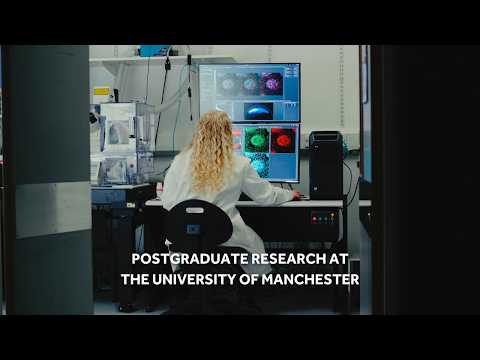
The project will be based within the School of Psychological Sciences, one of Europe’s foremost research centres for clinical and health psychology and host to over 100 postgraduate researchers. It will partner with the School of Nursing, Midwifery and Social Work which as part of Unit of Assessment 3 (Allied Health Professions, Dentistry, Nursing and Pharmacy), was judged nationally to be top of the 94 REF submissions in terms of overall performance including outputs, environment and impact.
The successful candidate will benefit from forming part of the wider cohort of early-career researchers currently based within CLAHRC GM across our range of health and service research.
Applicants are expected to hold a minimum upper-second (or equivalent) undergraduate degree in a relevant social/health/psychological sciences subject. A Masters qualification or relevant research experience would be a distinct advantage.
Please direct applications in the following format to Yvonne Rossi ([Email Address Removed]):
• CV
• Official academic transcripts.
• Contact details for two suitable referees.
• A brief statement (<300 words) describing your suitability for the PhD and how you view this project contributing to overall CLAHRC GM objectives.
Any enquiries relating to the project and/or suitability should be directed to Professor Heather Waterman ([Email Address Removed]).
Deadline for applications: 25 March 2015.
http://www.psych-sci.manchester.ac.uk/staff/audreybowen
http://www.psych-sci.manchester.ac.uk/staff/SarahPeters
http://www.nursing.manchester.ac.uk/staff/carolineswarbrick
http://clahrc-gm.nihr.ac.uk/
http://www.psych-sci.manchester.ac.uk/
OurRef:BowenCLAHRCGM
Funding Notes
Applicants must be UK/EU nationals due to the nature of the award.
Open Days






 Continue with Facebook