

or
 Continue with Facebook
Looking to list your PhD opportunities? Log in here.
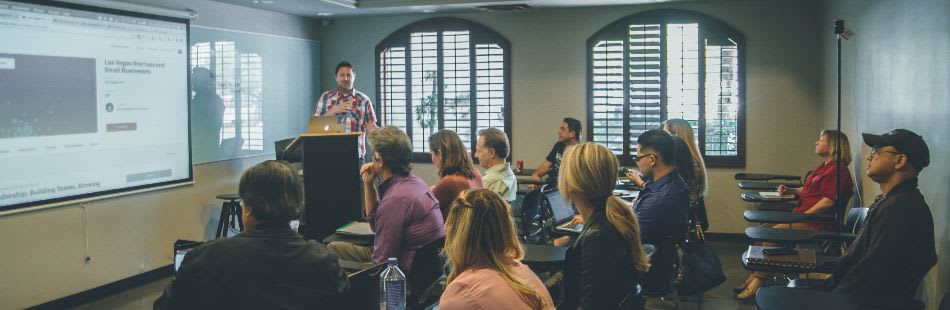
Whilst doing a PhD is a training programme and you’re there to learn, there are also opportunities to get involved with teaching. This could be in the form of supervising undergraduate students, leading seminars, or delivering lectures. I was recently given the opportunity to do some teaching; this was a really enriching experience helping me develop my CV, increase my confidence as a researcher, and a chance to share with younger students. There are different ways to get involved in teaching (a tick list which I am slowly completing!) so I will share my thoughts and experiences on each of them.
I’ve had the opportunity to go to Henan University of Technology in China to deliver lectures. Whilst there I delivered 24 hours of lectures over the course of a week to a class of students. This was my first real experience of lecturing so it’s fair to say I went in at the deep end!
With support from my supervisors, I was able to make the lecture slides for these sessions and source supplementary reading material, giving me an insight into the experience of lecturers in the UK. I also made (and marked!) an exam for the students which was a new experience! Delivering the lectures developed my communication skills due to the language barrier with my students, meaning I needed to give lots of examples, draw diagrams to explain my points (always interesting with a complete lack of artistic ability!), and define keywords for each slide. It was daunting but being able to teach on a topic that was new to me 18 months ago was a great reflective exercise of how much I have learned over the course of my PhD. This includes both the scientific content, but also confidence when standing in front of a group and explaining scientific principles. The PhD slowly drip feeds knowledge into you so you may not feel like you’re learning, but getting involved in teaching definitely reminds you of all you have learned.
If you want to get involved in lecturing, ask your supervisors if there are any sessions that you could help with. This could be running a revision session for students, supporting with group exercises, or delivering a short part of the main lecture. Building this up slowly is definitely advised (do as I say and not as I do!), to develop your confidence lecturing.
Closer to home, I have also been supervising an undergraduate student through her dissertation. This has been a very different experience to lecturing as is supporting a student 1:1 on a specific research project. Being able to adapt meetings based on their strengths and weaknesses, and seeing their confidence increase during the project, is really enjoyable. This is a great way to get involved with teaching if standing at the front of a lecture room sounds like your worst nightmare. Chat to your supervisor and see if there are any opportunities for student supervision that you can help with.
I haven’t led any seminars or workshops yet (the one remaining square on my teaching bingo card) but this is common practice for PhD students. These often repeat the content of a main lecture and will help students to put the theory into practice through exam questions. Leading seminars is a great way to practice teaching, improve your communication strategies with students, and learn how to help them through any issues in understanding. I am hoping to get involved with this in the future; each teaching environment develops different skills so experiencing as many as possible will help you grow.
Another way to get involved with teaching without actually standing at the front of a lecture hall, is helping with lab demonstrations. Nearly all PhD students will be asked to do this during their studies so it is not hard to get this experience. Helping with lab demonstrations involves setting up experiments for students, supporting them during the session if they have any issues/questions, and monitoring for any safety concerns. This allows you to help more practically and gives you a chance to chat to students in small groups, helping them understand the topic.
My trip to China was the most amazing experience, showing me how great lecturing can be. For most of the time during your PhD you are a student, but on those few occasions you get to be a teacher, make the most of the opportunities!


After one year of PhD study, Holly passed her doctoral confirmation review. Here's her advice.
Read more
Now in her second year, Holly shares the many ways PhD students can get involved in their university department.
Read more
We've been following Holly along throughout her first year of PhD study. Now she's officially starting second year, she's got some words of advice for new students.
Read more
At the end of your first year you'll be expected to undergo a confirmation review and submit a report. Here's Holly's experience.
Read more

or
Continue with Facebook