

or
 Continue with Facebook
Looking to list your PhD opportunities? Log in here.
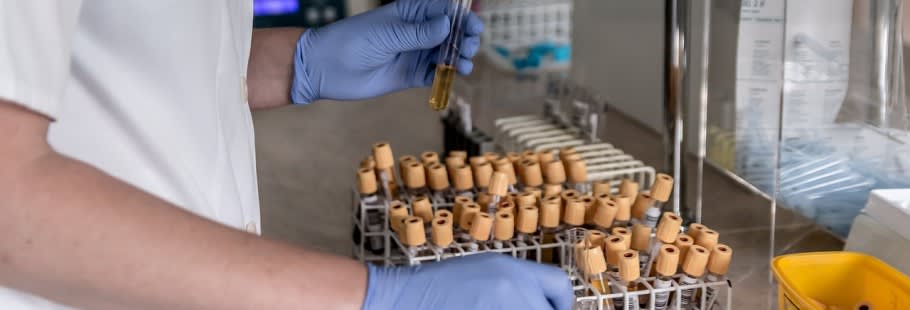
Whilst lab work may look different for everyone, it's a fairly inevitable part of any science-based PhD. It's the bread and butter of our research (sometimes quite literally in a food science lab!). Now 5 months into my project I have started work on my first series of experiments and want to share my top tips for making your first time in the lab as successful as possible.
If you’d told me in September that it would be five months before I started in the lab, I wouldn’t have believed you. That’s because I was thinking of the labs I experienced as an undergraduate student where you turn up and everything has been prepared for you. Lab work during your PhD is VERY different. Firstly, you are responsible for planning the experiment: YOU decide on your research question, YOU do the reading to determine your hypothesis, YOU research the different techniques available and decide which one you want to use, YOU organise training for relevant equipment, and YOU order the supplies you need. These steps are before you even put a foot into the lab but they are key to getting meaningful results later down the line. Take time to read up on the technique you are going to use, speak to other students in your research group (and your supervisor) who may have used that method before, and make sure you really understand what you’re doing before you begin.
Even with all this preparation, things aren’t always going to work first time. Factor in time to run test samples on your equipment until you feel comfortable using it and know that the settings you have chosen are appropriate. For me this included a practice run where I made demo-samples and then ran the experiment using these to iron out issues before using real samples. This will build your confidence in what you’re doing and highlight anything that isn’t going to work. Being adaptable is a key part of research so knowing what isn’t working and being willing to change your plan is important.
Building on this theme, always prepare a Plan B. Think about what you’ll do if the equipment you intended to use breaks, your samples are the wrong size for the machine, or the item you need is out of stock and you can’t get it for 6 months. Having back ups before you start makes it far less stressful if any of these events actually occur.
When planning an experiment this month, a friend asked me what results I was expecting to see. I had no idea! She then reworded her question to “what results would make the most sense given the reading you have done?” This was a brilliant question and made me see that I needed to read more before starting in the lab. Understanding what result would be supported by the literature and thinking through the potential reasons for an alternative result, helped me to approach my work with a deeper level of thought. This allowed me to question (and hopefully justify) why I have chosen certain methods or equipment and why I expect to see the result I do. With this in mind, I am now applying a “why” approach to everything. Thinking through the “why” questions of your experiment will help when writing up the results, when going through the peer-review process, and ultimately in your final viva. Asking yourself these questions early on gets you in the right mindset.
As I make progress on my first experiment, I’m really enjoying being in the lab and feeling like a researcher. Whilst the level of independence I describe may sound daunting, it gives you more control and autonomy. You make the decisions and you collect the data so you’re ultimately responsible for the results – you are the scientist! Making this switch from student to scientist has been so exciting and really shows how great research can be. On that note - happy lab work everyone!

Here's what you need to know about applying for a Masters or PhD at one of the Netherlands' excellent universities, with advice on applications, fees, funding and arrivals.
Read more
Applications for many PhD and Masters programmes at German universities are still open – this is what you need to know about studying in Germany this year.
Read more

or
Continue with Facebook