

or
 Continue with Facebook
Looking to list your PhD opportunities? Log in here.
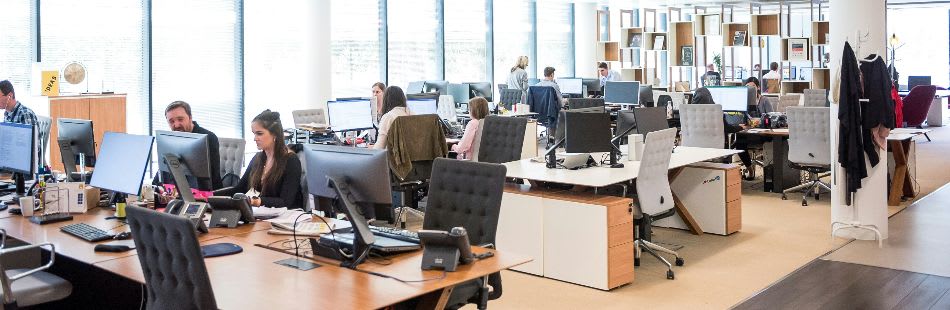
Lots of people do a placement during their PhD: this can either be an extension of your project (using a different piece of equipment or learning a new technique), or can be a chance to do something different (including educational outreach or industry experience). Regardless of the details, a placement is a great chance to expand your skills and try out potential avenues you are interested in post-PhD. Having just completed my own placement, I wanted to share some advice around the planning stage and how to make it work best for you.
Placements are a great chance to do something different to your main PhD. When planning your placement, it’s worth considering what else you want to learn during your PhD or any gaps in your portfolio that you are keen to address. My PhD has largely focused on sensory and consumer research so far, so I was keen to expand my research skills; my placement was based in Aberystwyth between the university and my company sponsor and looked at food processing and applications for the dairy industry. Being able to learn new techniques, use different equipment and collaborate with researchers in different fields has really enriched my PhD experience and led to other opportunities I hadn’t expected. For example, we are now looking at ways to scale up this research for an industry setting, which I hadn’t previously considered. These are the benefits of a placement and being brave enough to try something new can help you later on.
Whilst on paper eight weeks might seem like a long time, it goes by so quickly in a blur of inductions, training and meeting new people until you wake up and only have two weeks left! Having a clear plan for your placement beforehand will help you make the most of your time away. As a team we decided on fundamental project deliverables that I wanted to achieve during my placement, and then optional avenues for research that I would investigate if I had time. Setting these non-negotiable outcomes, and discussing these on our fortnightly progress meetings, helped keep me focused during my time away. However, it’s important to balance this with being open to opportunities that come up so you can maximise this experience.
There is never going to be a perfect time to go on placement but thinking about the timing is important. Most students go on placement during the second or third year of their PhD. This can be a nice halfway mark, giving you a deadline to finish work before you leave, a chance to consolidate your research plans while you are away, and boost your motivation to finish projects on your return. The ideal timing will vary for everyone but second year was a good time for me as I felt settled at my home university, had completed my first series of studies and had a natural gap before starting the next. Speaking to your supervisor (and placement provider!) about the timings will make sure you find the best option for you.
It's also important to consider other factors surrounding your placement, such as location and whether you will need to relocate. I moved to Aberystwyth for my placement which was an amazing chance to experience a different city, live by the beach and meet new people. However, this might not be right for everyone depending on their circumstances. We live in an increasingly digital age meaning there are more opportunities than ever to do placements from home; so location doesn’t have to be a barrier. Being open with your placement provider about what works for you will help you reach the best outcome.
It can be difficult to find a PhD placement so starting this process early is important in making sure everything is in place for the placement beforehand. Speak to your supervisor and other students in your department for information on how to find a placement provider.
I scheduled two weeks after my placement to work from home and write up everything I worked on while I was away. This has been such a useful time to collate all my thoughts from my placement and to write up my methodology and results before starting back in the lab. I moved away for my placement so it’s also been a nice chance to slowly fall back into my home life, unpack, catch up with friends and get back into the routine. This is definitely something I am thanking past-me for scheduling in, so would suggest adding some time at the end of your placement to take stock and catch up with writing.
As I settle back into home life, I am so glad to have had the experience of completing a placement and would recommend anyone else to go for it! My placement pushed me out of my comfort zone, taught me new techniques and developed me as an independent researcher. Even if I do need about a month of sleep to recover!


Welcome to our PhDiary! To kick this series off, Hannah reminisces about her first week as a History PhD student. From the fiery flames of stress to the warm moments of success, hopefully her story can offer some insight and solace.
Read more
Tackling PhD burnout head-on! Get actionable tips from our expert for maintaining your mental health and staying motivated throughout your doctoral journey.
Read more

Thinking of self-funding a PhD? It's important to know what you'll actually have to pay for and to spare a thought for how you'll do so.
Read more

Three months into a new postdoc, Holly talks about the many ways in which her new role has (pleasantly!) surprised her.
Read more
Holly shares five lessons from the first two months of her new postdoc.
Read more
What's the first thing you would do once you hit submit? Holly's nearing the end of her PhD and this is what's on her bucket list!
Read more

or
Continue with Facebook