

or
 Continue with Facebook
Looking to list your PhD opportunities? Log in here.

I think the main mystery of a PhD is what you actually do each day. This is hard to describe as no two days are the same: the PhD goes through seasons depending on what you’re doing. Now in my second year, I‘ve tried to condense my average week, whether it’s in the lab or at a desk writing.
One of the benefits of a PhD is the ability to set your own hours. I’m a morning person so tend to work 8am-4pm each day but this varies each week. If I’m working from home writing, this might be 7am-2pm, whereas if I’m in the lab it can quickly become 9am-6pm! Having a rough working hours policy helps me feel less guilty when taking a break, but being flexible with your hours is important. 9am-5pm isn’t realistic every day!
As a science student, experimental weeks are my busiest time and usually include long days in the lab. The intricacies of an experimental week will look different for everyone, depending on the research you’re doing. My research can be split into two main types of study:
When I‘m collecting physical measurements in the lab, my day is largely self-regulated. I start the day ensuring that my lab book is set up correctly and that I have all the equipment I need – if not, it will be a quick trip to Stores (the equivalent of a supermarket for all equipment needs at your university). I then set up my experiment and usually run a control sample before lunch to ensure that everything is working as expected. The afternoon involves running the experiment and collecting data, before doing a preliminary analysis to ensure that everything is looking as I would expect. This allows me to build in extra repeats, or get a second opinion, if the data isn’t looking right. Physical testing requires numerous repeats so these weeks often include doing the same thing three days in a row.
Consumer testing involves collecting feedback from users. This is commonly in the form of a sensory trial with trained participants coming into the university. Mornings involve setting up the space for panellists, ensuring all the recording equipment is working and preparing samples. The panellists arrive mid-morning for the session. The afternoon involves cleaning up and preparing for the next day. This is an exciting experiment where I can collect real information from consumers but requires a lot of planning to make sure I’m ready! In the afternoon I write up the comments to make sure I’m capturing all the feedback while I can remember it.
The most common week for me is a writing week: a combination of analysing data, writing up results (either as papers or thesis chapters), reading articles to understand how my work fits into the wider literature, and planning the next set of experiments. I was surprised when I started my PhD by the amount of time I spend in the lab compared with the amount spent planning, reading and writing: the practical lab time is by far the smallest part!
An average writing week for me looks a little like this:
There is a lot of admin in a PhD so building time into your schedule to tackle these tasks helps you stay on top of the work. I also try to schedule in one afternoon each week to read papers; I tend to put this as a meeting in my calendar to keep myself accountable and to stop it getting filled with other things!
Writing weeks also include catch-ups with my supervisor, company sponsor and other PhD students. It’s important to collaborate with others and to get feedback on your work to ensure you’re heading in the right direction.
Some weeks look completely different to the norm: for example when you attend conferences, you spend time travelling nationally or internationally to present your work, listen to talks and network in your field. As nice as a 3-course conference dinner and plenary lecture is, it definitely isn’t a normal day.
Other not-so average weeks include teaching intensive weeks where I may be demonstrating on practical sessions in the lab or leading seminars for undergraduate students, and training weeks where I may be on a course or attending Summer School with my PhD cohort.
In my first year I found it hard to plan for these weeks but now in my second year I usually know what’s coming up. It can help to chat to a second or third year student with the same supervisor as you to find out if there are any recurring events you should be aware of. Staying open to new opportunities is important to add some more “not-so average weeks” to your calendar.
Whilst no two weeks are the same, I hope this blog gives you an insight into my “average” week in my second year complete with research, reading and writing. What does an average week look like for you?
 Continue with Facebook


Welcome to our PhDiary! To kick this series off, Hannah reminisces about her first week as a History PhD student. From the fiery flames of stress to the warm moments of success, hopefully her story can offer some insight and solace.
Read more
Tackling PhD burnout head-on! Get actionable tips from our expert for maintaining your mental health and staying motivated throughout your doctoral journey.
Read more

Thinking of self-funding a PhD? It's important to know what you'll actually have to pay for and to spare a thought for how you'll do so.
Read more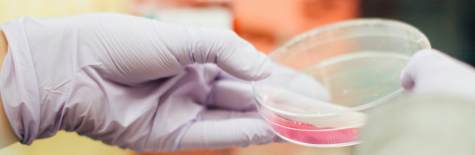

Three months into a new postdoc, Holly talks about the many ways in which her new role has (pleasantly!) surprised her.
Read more
Holly shares five lessons from the first two months of her new postdoc.
Read more
What's the first thing you would do once you hit submit? Holly's nearing the end of her PhD and this is what's on her bucket list!
Read more

or
Continue with Facebook