

or
 Continue with Facebook
Looking to list your PhD opportunities? Log in here.
The viva. The mysterious exam you’ve been working towards the last few years. It represents both freedom and terror as you’ll finally get the answer to the age-old question, are you good enough? Sounds overwhelming, doesn’t it?
That introduction was probably a little dramatic. If you read my last post, then you’ll know that I actually found submission the most emotionally impactful moment of the whole journey. The viva, to a large extent, was merely a formality. I’d done the work. The viva wasn’t going to change that. I just needed to figure out how to best display what I’d done to a couple of academics. Here’s what I did.
The absolute first thing I did after submission was take a break. I had three months until my viva and so took a few weeks off. It wasn’t exactly the most restful as my sister got married and then I went up to four days a week at my job.
Looking back, it would have been nice to have a little more time to myself to recover. I still think I’m carrying some of the weight of the PhD, months later. So, if you’re able, take some time to just be.
Perhaps the number one tip I got from every PhD graduate was to research my examiners. As passionate people, many academics are in the habit of steering the conversation towards their own interests. Reading up on their research will help you figure out which parts of your thesis they’ll be most interested in.
I didn’t realise that one of my examiners had previously published some work on food history, something which I covered in my second chapter. Unsurprisingly, he focused a lot of his attention there in my exam.
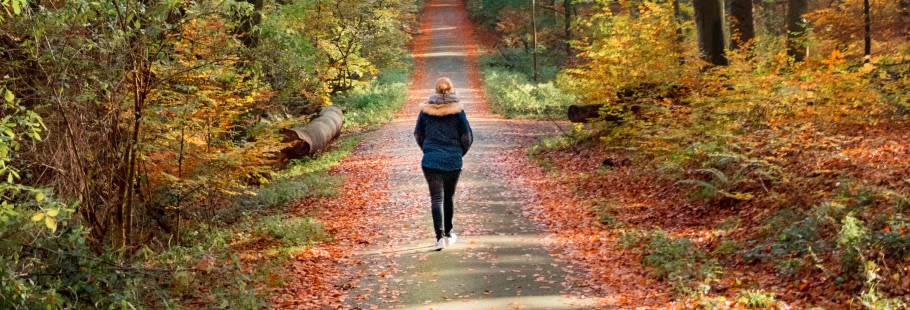
Once you understand who’s going to be examining you, it’s time to contemplate potential questions. Having read through my thesis a couple of times, someone suggested taking long walks to let my mind ponder the ins and outs of my research.
I found this immensely helpful. Walking around felt far less overwhelming than sitting at a desk. My mind also wandered into arguments and angles I hadn’t previously though of before. You will never predict exactly what you’ll get asked in the viva, so instead of stressing over the little details, take the time to really get to know the core of your thesis.
Reading and taking notes on your thesis is all well and good but you’ll have to talk during the viva. I quickly realised how much I struggled to string together a coherent and intelligent sentence after my supervisor ran a mock viva with me. He recommended talking through my research with family and friends. While I’m not sure they appreciated being bombarded with dense historical research, it certainly helped me practice my improvised presentation skills.
While you can annotate your thesis, run mock vivas, read about your examiners and ponder every possible question you may be asked, there is only so much you can do to prepare for the viva. You will never know what you’ll be asked, and that’s ok. It’s far more important to go into the exam as relaxed and comfortable as possible. You’ve done the work. You can’t change your thesis now, which is ultimately what you’re being marked on. All you can do is go in and justify your decisions.
Nobody’s viva experience is the same. Some really enjoy it, others don’t. Similarly, nobody will prepare for the viva the same way. If you prefer making notes, then lean into that. If you prefer talking it over with people, do that. Overall, it’s all about doing what’s best for you and what makes you feel more comfortable.


In this next edition of the PhDiary, Hannah talks about what it's like to hand in the PhD thesis.
Read more
Although PhD supervisors aren't the only people who will judge your application, their opinion is extremely important in deciding whether or not you get a place (and sometimes funding too).
Read more

Thinking of working while studying? Here are some simple yet effective tips to help you juggle work and study.
Read more

Studying a PhD part time can be quite different to full time. Law student Domi talks us through her journey in part-time study and shares some advice.
Read more

or
Continue with Facebook