

or
 Continue with Facebook
Looking to list your PhD opportunities? Log in here.
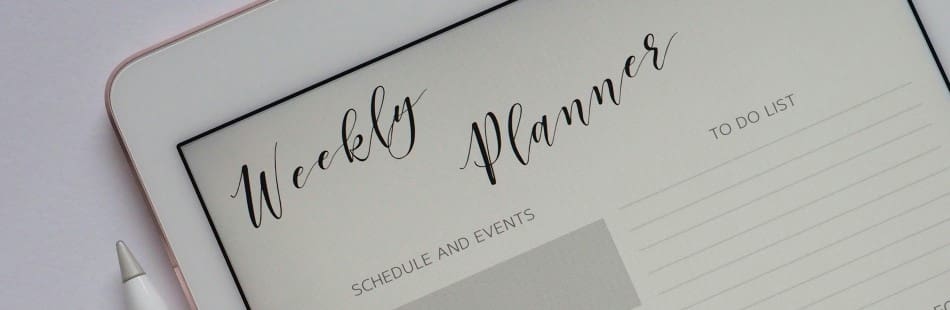
Everyone’s PhD project is different, so an average week will look different for each of us. In my second year, my weeks were spent conducting experiments, writing and sometimes doing something else entirely — like a attending a conference. Now in my third year, I’m running a consumer trial and I’m in the lab most of the time, meaning my average week has changed significantly. So, what does my average week look like now?
On a Monday I try to get everything ready for the week. This includes preparing the laboratory equipment, labelling collection tubes, making the samples for tasting, printing off consent forms and getting the room set up. This is important to ensure that everything is ready for the study visit days.
Mondays are also important for study admin. This includes recruiting new participants, both through emails and phone calls, and engaging with participants that have already signed up. I spend some time phoning potential participants for a screening call to assess eligibility. I also send out reminder emails to participants scheduled for a study visit that week, giving them the details of what to expect and an opportunity to ask questions. This admin is important to ensure that I have more participants lined up for future weeks!!
Study days are busy. I spend 7:30-9am doing the final preparations before the study begins — reserving parking spaces, setting up the room and plating up the samples. The participants then arrive at 9am and I run the study with them until 11:30am. For the rest of the morning, I process the samples as quickly as possible to get them transferred to the freezer for storage before lunchtime.
After lunch I complete any analysis that needs to be done on the day. This takes most of the afternoon, meaning I usually finish around 4:30pm. I then need to tidy up the study room, clean any equipment used and start preparing for the next day.
For study or experiment days, I would recommend making yourself a timetable of what you need to do at each point in the day. This means you are less likely to forget anything. And hopefully, it helps you relax slightly if you are running ahead of schedule — a phenomenon that is yet to happen, I should point out!!
On Fridays I try to get some writing done. It is important to write up any notes from the study days as soon as possible. This includes updating the tracking spreadsheets for samples stored in the freezer and any data collected at the time.
I continue working on my latest manuscript and try to book in meetings with my supervisors and industry sponsors. I also try to use Friday as a chance to catch up with the rest of my cohort to keep myself up to date with the PhD community (and to keep me sane!!).
Whilst this looks like a neat plan, not every week is the same. Sometimes I have a Monday off and everything moves on a day. Sometimes participants aren’t available or a meeting can only take place on a Tuesday. Splitting your work into these discrete boxes is rarely possible, so be kind to yourself if the plan needs to adapt to reality.
This consumer study represents a very specific section of my PhD, which is focused on an individual research question. This is completely different to how my average week was in February and I am sure that my average week in November will be different again! PhD life is never average: it is always changing, but it’s learning what works for you so, adapting and moving forward that’s important.
 Continue with Facebook


Welcome to our PhDiary! To kick this series off, Hannah reminisces about her first week as a History PhD student. From the fiery flames of stress to the warm moments of success, hopefully her story can offer some insight and solace.
Read more
Tackling PhD burnout head-on! Get actionable tips from our expert for maintaining your mental health and staying motivated throughout your doctoral journey.
Read more

Thinking of self-funding a PhD? It's important to know what you'll actually have to pay for and to spare a thought for how you'll do so.
Read more

Three months into a new postdoc, Holly talks about the many ways in which her new role has (pleasantly!) surprised her.
Read more
Holly shares five lessons from the first two months of her new postdoc.
Read more
What's the first thing you would do once you hit submit? Holly's nearing the end of her PhD and this is what's on her bucket list!
Read more

or
Continue with Facebook