

or
 Continue with Facebook
Looking to list your PhD opportunities? Log in here.
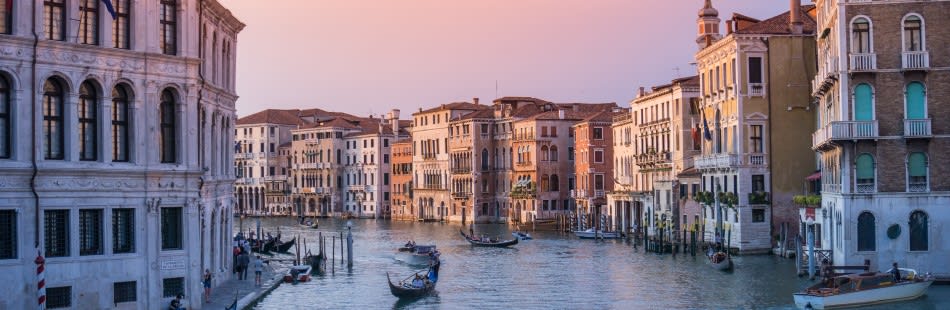
Italy is one of Europe’s most popular study abroad destinations – and with historic universities, competitively low living costs and world-famous cuisine, it’s not hard to see why!
If you’re looking to join the almost 70,000 international students heading to Italy each year, we’ve listed six things you should know before packing your bags.
After submitting your thesis, you’ll have to defend it in front of a jury of external examiners who will decide whether you award your doctorate. However, unlike in the UK, your viva may be open to the public.
We won’t deny that this could intensify your nerves on the big day – but it’s also an excellent opportunity to show off your research to a wider audience!
Read more about what it’s like to study a PhD in Italy.
You may have the option to study in English – but that doesn’t mean brushing up on your Italian skills won’t be worthwhile!
Though people living in major cities such as Rome and Milan are likely to have high levels of English proficiency, this isn’t necessarily true of less central locations. You may also need to speak some level of Italian to you’re planning to fund your studies through part-time work.
Most universities offer Italian language courses for international students that run alongside your studies. These are generally free of charge. You can also enrol in an intensive summer course at an Italian language school, though this may incur a cost.
If you’re from outside the EU, your application process will have an extra step called pre-enrolment. You’ll need to pre-enrol after your initial university application but before applying for a student visa.
Pre-enrolment is done through a separate portal called Universitaly. You’ll need to provide the details of the course you’re applying for and your local Italian consulate or embassy.
This may add a few extra weeks onto your application process, so get started early!
Read more about applying for a PhD in Italy.
Tuition fees in Italy are relatively low, with the average public university charging €1,630 per year for Masters or PhD study. You can cut down your costs even further with a university fee reduction, government grant or regional scholarship.
Looking to bring in extra cash while you study? Both EU and non-EU can work for up to 20 hours per week, not exceeding 1,420 hours per year.
The Italian government also offers a generous post-study work visa for international graduates called a Permesso di Soggiorno. This allows non-EU students to stay in the country for up to 12 months while seeking work – no job offer required. If you’re an EU student, you’ll have the same access to the job market as Italian nationals.

Head over to our course directory to find a PhD in Italy that right for you.

This guide tells you about everything you need to apply to study a PhD programme in Italy.
Read more
Our guide tells you everything about how much a PhD in Italy costs and how to find the right funding for it.
Read more
Our guide tells you everything about which visa you'll need to study a PhD abroad in Italy and how to apply for it.
Read moreWhat is it like living in Italy during a PhD? Our guide provides information on accommodation, student living costs, working and more.
Read more

or
Continue with Facebook