

or
 Continue with Facebook
Looking to list your PhD opportunities? Log in here.
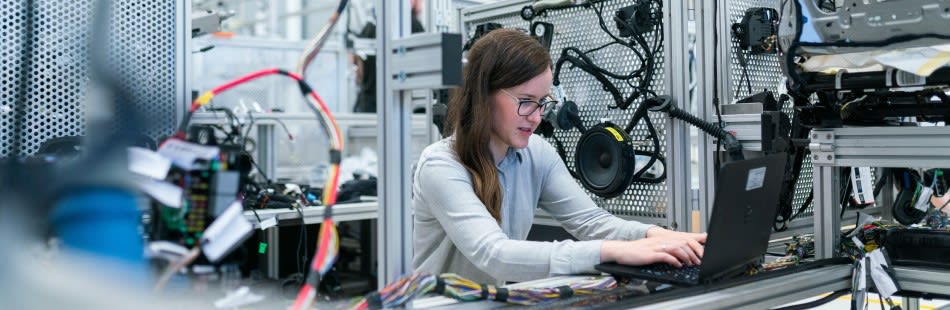
If you’re an aspiring PhD student, you have already spent a lot of time with the subject of your choice, so you know you have the knowledge and expertise already. However, do you like the subject enough to dedicate four or (maybe) more years of your life to it? It’s a big chunk of time so it is important you are absolutely sure about the area of study you choose.
You might be having second thoughts, or you might have it all planned out right down to your research topic. Either way, if you’re thinking about a PhD in Engineering, then here’s five tell-tale signs that it’s the right choice for you.
If you aren’t yet tired of the drawing board and prototype building, then a PhD in Engineering might be the perfect thing for you. Engineers are continuously expected to build and innovate. Moreover, if you’re planning to study a PhD, you’ll be focused on a very niche area. whether it be a specific part for a 3-D printer as a Mechanical Engineer or the use of AI in tunnels as a Civil Engineer.
Engineering is a vast field of study, and you can choose to specialise in a particular subject even at an undergraduate level. At a PhD level, however, you’re really getting into the nitty gritty of a topic using Maths and Science in potentially different ways to during your Masters. So if your love for those two subjects remains strong even after years of study, then be prepared to use them to think outside the box during your research.
The essence of a PhD is to research and contribute to solving mankind’s biggest problems. If you think your PhD topic does exactly that, then you’ve found yourself in the right place. Engineers are at the forefront of creating efficient solutions to both big and small problems. You could be contributing to medical science after a PhD in Biomedical Engineering or coming up with solutions to climate change as an Environmental Engineer.
It should go without saying that as an engineer (especially if you choose to study Computer Engineering or Robotics) you will be working with technology every day so you’ve got to love it! Irrespective of the field of engineering, you will be expected to create a synergy between your core subject and the latest technology. Using the latest technology (where appropriate) in your PhD methodology will also help to keep your research original and, with any luck, highly relevant for a longer period of time.
The field of Engineering has come on leaps and bounds in the last few years and continues to grow. If you decide to go down the Engineering PhD route, you can expect to be involved in a sector that is high on the government agenda and generously supported with investment. The world is looking to automotive engineers to develop environment-friendly engines on cars and researchers in Electronics and Communication Engineering for the next generation of smart appliances. If you find yourself thinking about the future of mankind (or a world fit for a sci-fi movie) then Engineering is a way forward for you.
Search our Engineering Masters course listings.

Search our Engineering PhD programme listings. Not sure if you want to do a PhD or EngD? Find out what the difference is!

If you’re wondering whether you should do a PhD, this page will walk you through a selection of the most common reasons for pursuing one, along with some of the benefits that a PhD can give you.
Read more
Understand what a successful PhD research proposal needs to include and how to go about writing one for your project application.
Read more
Our guide explains how to contact a potential PhD supervisor to discuss your proposal or ideas with them before applying.
Read more
Will a PhD help you get a job or earn a better salary? We look at what starting salary you could get after a PhD in the UK.
Read more
Not sure how to fund your PhD? This guide answers some of the most common questions about PhD funding in the UK.
Read more
Discover top tips for applying for a PhD abroad. Learn how to find funding, meet entry requirements, and prepare for visas as an international student.
Read more

or
Continue with Facebook